A century of persuasion, distilled.
Portraits used for educational identification only. No affiliation with or endorsement by any individual depicted is implied.
Every ignored homepage, every unopened email, every lost pitch failed for the same reason: the writer skipped the most important step. We've gathered the greatest copywriters and persuasion scientists in history, their frameworks, their secrets, their most uncomfortable truths, so you never make that mistake again.
The uncomfortable truth
You could have the best product in your market and still lose the sale to someone with half your ability, because they understood something you didn't. Words aren't just communication. They're architecture. The order you say things, the feeling you create before you make your ask. All of it shapes how people think and decide.
These eight people weren't con artists. They were students of human nature who discovered, independently, across a century of work, that persuasion follows patterns. Learnable, repeatable patterns. They built the map. You get to use it.
The Canon
Some of these names belong on bookshelves. Others are still posting on LinkedIn. What they share is rarer than fame: they changed how people think about the relationship between words and decisions. Study all of them.

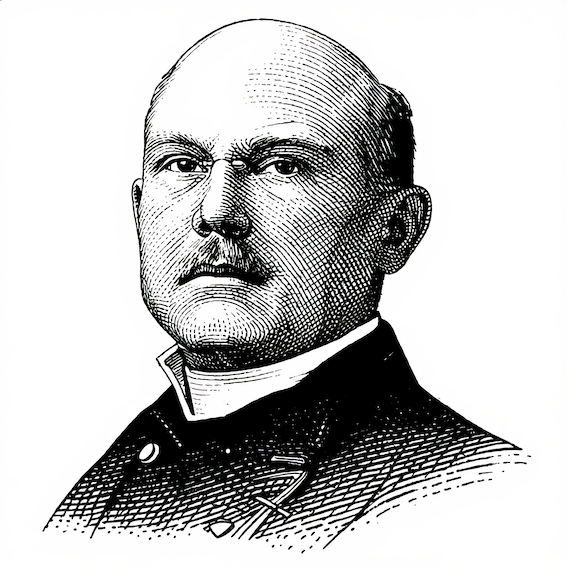
Elias St. Elmo Lewis
AIDAElias St. Elmo Lewis
"Attract attention, maintain interest, create desire, get action."
An American advertising pioneer who quietly changed everything. Lewis noticed that people don't buy randomly — they move through predictable mental stages. He mapped those stages and called it AIDA. Every sales funnel, every landing page you've ever seen is his great-grandchild.

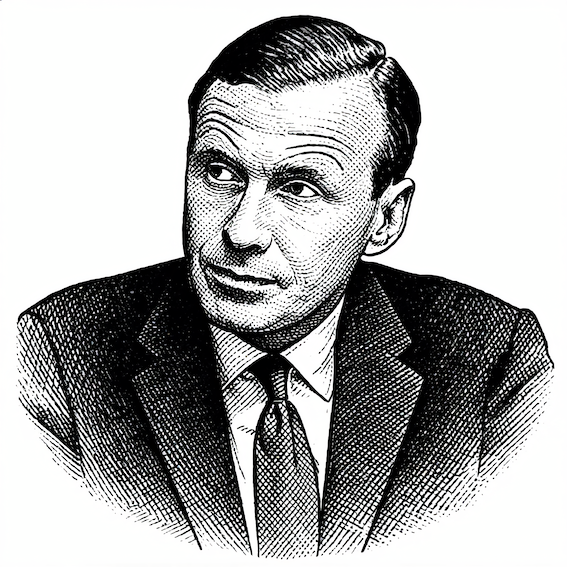
David Ogilvy
Research-First AdvertisingDavid Ogilvy
"The consumer isn't a moron. She is your wife."
The original mad man. Ogilvy built one of the world's most respected advertising agencies on one belief: respect the intelligence of your customer. His books are still passed around agency offices like sacred texts. If copywriting had a patron saint, it's him.

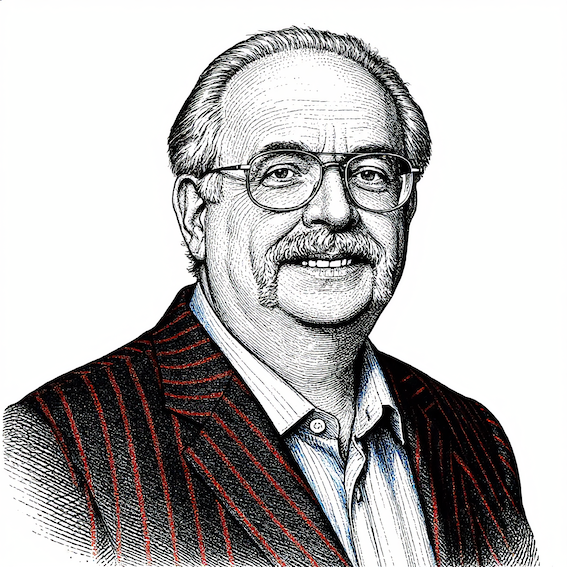
Dan Kennedy
PAS / Direct ResponseDan Kennedy
"If you want to move people to action, first you must move them."
The no-nonsense king of direct response. Kennedy made PAS famous and spent decades proving the fastest path to a sale is naming the customer's pain loudly, specifically, without flinching. He passed in 2023, leaving behind a library serious copywriters treat as required reading.

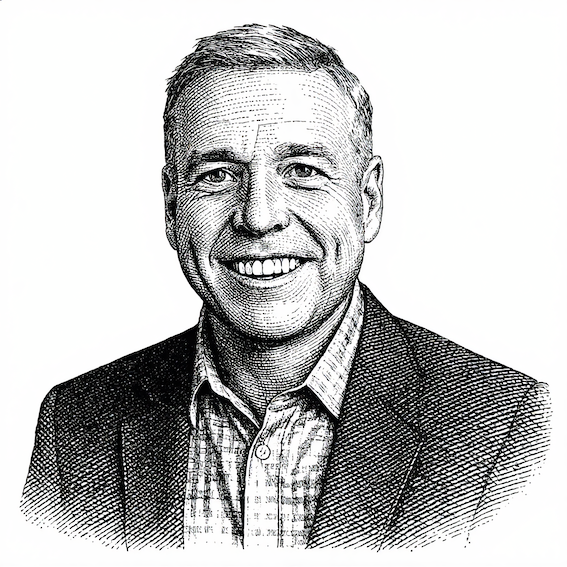
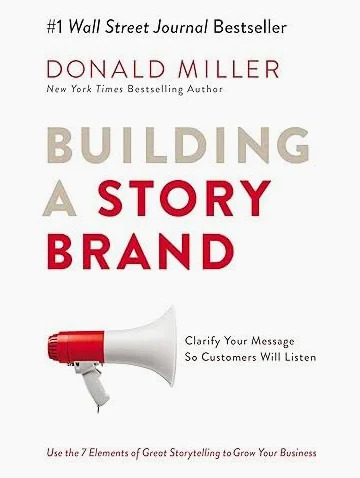
Donald Miller
StoryBrand 2.0Donald Miller
"The customer is the hero of the story, not your brand."
A storyteller who asked one deceptively simple question: what if your brand stopped being the hero and started being the guide? His StoryBrand framework took Joseph Campbell's Hero's Journey and turned it into a messaging system any business can use.

Joanna Wiebe
BAB / Voice of CustomerJoanna Wiebe
"The best copy you'll ever write is the copy your customers already wrote for you."
The woman who brought rigour to conversion copywriting. Founder of Copyhackers, Wiebe championed something radical: the best copy doesn't come from your brainstorming session. It comes from your customers' own words.

Robert Cialdini
Influence and Pre-SuasionRobert Cialdini
"The best persuaders become the best through pre-suasion."
Every copywriter had instincts. Cialdini had proof. He identified the six universal principles governing how people say yes — then went further in Pre-Suasion: what you do before your ask matters as much as the ask itself.

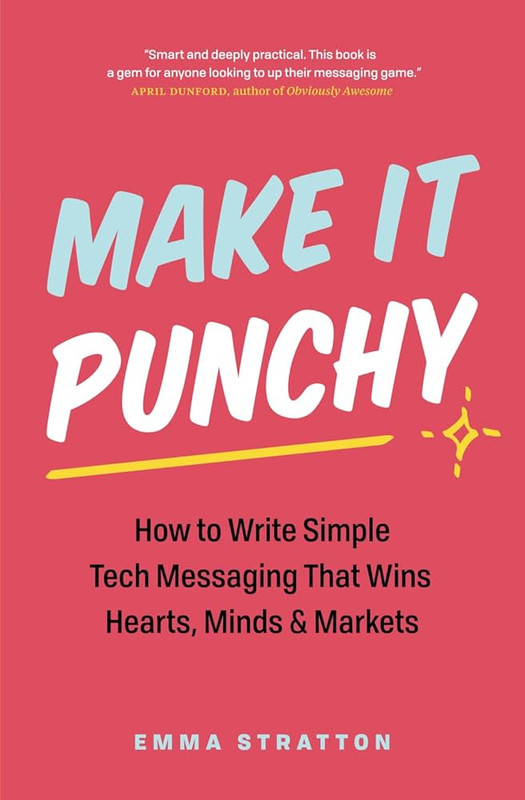
Emma Stratton
Punchy MessagingEmma Stratton
"Clarity is not dumbing it down. It's respecting your reader enough to do the hard thinking for them."
Most copy isn't bad because it's poorly written — it's bad because the thinking behind it is muddy. Stratton built a career helping B2B companies cut through their jargon and say the thing they actually mean.

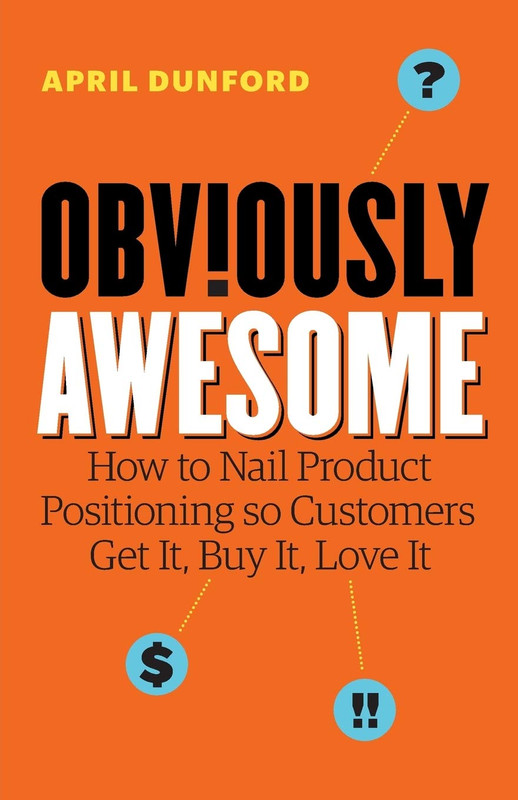
April Dunford
Positioning and ContextApril Dunford
"Positioning is the act of deliberately defining how you are the best at something that a defined market cares a lot about."
Before you write a word of copy, someone has already decided how to feel about what you're selling — based on what they're comparing it to. Get positioning wrong and brilliant copy still won't save you.
Click to flip
The Frameworks
These aren't trends or hot takes. They're battle-tested systems developed by the sharpest minds in advertising, storytelling, and human psychology. Each one teaches a distinct thing. Each one works. The real power is when you start combining them.
The brain runs a quiet checklist before every purchase: attention, then interest, then desire, then action — in that order. Most copy fails by skipping straight to the ask before earning the right to make one. Trust is sequential. You can't shortcut it.
People don't buy randomly. They move through four predictable mental stages before saying yes — and your job is to meet them at each one.
"Still trading time for money?"
"Most service businesses hit an invisible ceiling — not because they lack clients, but because their model is built to stay small."
"There's a version of your business that earns more, works less, and doesn't depend on you being available every hour of the day."
"Let's build it. Book a free 30-minute call."
Still trading time for money?
Most service businesses hit an invisible ceiling — not because they lack clients, but because their model is built to stay small. The hours fill up. The rates plateau. No matter how good you get, you can't bill more than 24 hours in a day.
There's a version of your business that earns more, works less, and doesn't depend on you being available every hour of the day. One where the work you're already doing gets packaged, systematised, and scaled.
Let's build it. Book a free 30-minute call.
Most businesses write as if they're the hero. But your customer doesn't care about your credentials — they care about their own story. The moment you become the guide — the Gandalf, not the Frodo — you stop selling and start leading someone somewhere they already want to go.
Your customer is the hero of the story. You are the guide. The moment you swap those roles, your website starts working.
"You've built something real. A service you're proud of, clients who love you."
"But your website doesn't show any of that. It reads like a CV nobody asked for."
"We've helped over 200 service businesses rewrite their story — and we know exactly what's missing from yours."
"One 60-minute session. A full homepage rewrite. Live in two weeks."
"Book your session."
"Wake up to enquiries from people who already understand what you do and why it costs what it costs."
You've built something real. A service you're proud of, clients who love you.
But your website doesn't show any of that. It reads like a CV nobody asked for.
We've helped over 200 service businesses rewrite their story — and we know exactly what's missing from yours. One 60-minute session. A full homepage rewrite. Live in two weeks.
Book your session.
Wake up to enquiries from people who already understand what you do and why it costs what it costs.
Most people flinch at the Agitate step. But pressing on pain isn't cruelty — it's honesty. People don't change until staying the same costs more than moving. Make that cost vivid and specific, and the Solve stops feeling like a pitch. It feels like relief.
Name the pain. Make it real. Then show up with the solution.
"Your website is losing you clients every single day."
"Not because your work isn't good enough. Because the right people land on your site, read three lines, and leave — convinced you're probably like everyone else. Meanwhile someone with half your ability and a better homepage just took the job you should have had."
"We rewrite your homepage so it does what you've been doing manually — convincing people you're the right choice before they've even spoken to you."
Your website is losing you clients every single day.
Not because your work isn't good enough. Because the right people land on your site, read three lines, and leave — convinced you're probably like everyone else. Meanwhile someone with half your ability and a better homepage just took the job you should have had.
We rewrite your homepage so it does what you've been doing manually — convincing people you're the right choice before they've even spoken to you.
Features are what it has. Benefits are what it does. Value is what it means — the identity, the feeling, the life it makes possible. People don't buy gym memberships; they buy confidence. Lead with value and the features become proof, not pitch.
Lead with the transformation. Follow with the outcome. Save the specs for last. Most people do this completely backwards.
"Wake up knowing exactly where your business stands financially. No surprises, no dread, no end-of-year panic."
"Every transaction categorised automatically. Every report ready when you need it. Your accountant finally stops asking you to dig up old invoices."
"Powered by real-time bank syncing, AI categorisation, and a dashboard built for people who run businesses, not spreadsheets."
Wake up knowing exactly where your business stands financially. No surprises, no dread, no end-of-year panic.
Every transaction categorised automatically. Every report ready when you need it. Your accountant finally stops asking you to dig up old invoices.
Powered by real-time bank syncing, AI categorisation, and a dashboard built for people who run businesses, not spreadsheets.
BAB mirrors the emotional journey of every purchase: current reality, imagined alternative, then something to close the gap. Wiebe's real insight wasn't the structure — it was the source. The most persuasive language you'll ever write is already out there, in the exact words your customers use to describe their problem. Collect it. Don't invent it.
Show them where they are. Show them where they could be. Then be the bridge between the two.
"You're good at what you do. But your brand looks like you built it yourself at midnight three years ago and never got around to updating it. Clients who find you online form an impression before they've read a word — and right now that impression isn't doing you any favours."
"Imagine sending someone to your website and feeling proud. A brand that looks like the level you actually operate at. One that attracts clients who understand your value before the first conversation."
"That's the work we do. A two-week brand sprint that takes you from where you are to where you should be — without a six-month agency engagement."
You're good at what you do. But your brand looks like you built it yourself at midnight three years ago and never got around to updating it. Clients who find you online form an impression before they've read a word — and right now, that impression isn't doing you any favours.
Imagine sending someone to your website and feeling proud. A brand that looks like the level you actually operate at. One that attracts clients who understand your value before the first conversation.
That's the work we do. A two-week brand sprint — without a six-month agency engagement.
Christensen found that morning commuters weren't buying milkshakes because they were hungry — they needed something to hold, something to stretch the drive. The milkshake wasn't competing with other milkshakes. It was competing with a banana. Every product gets hired for three simultaneous jobs: functional, emotional, and social. Most copy only addresses the first. Decisions happen in the other two.
People don't buy products. They hire them to do a job in their lives. Know the real job — and write to that.
"Automatically tracks every penny coming in and going out of your business."
"So you stop lying awake at 2am wondering if you can make payroll."
"And you finally feel like someone who runs a real business — not someone who's always one bad month from chaos."
Automatically tracks every penny coming in and going out of your business — so you stop lying awake at 2am wondering if you can make payroll, and finally feel like someone who runs a real business, not someone who's always one bad month from chaos.
Every copywriter had instincts about what works. Cialdini had evidence — six universal principles: reciprocity, commitment, social proof, authority, liking, scarcity. Then Pre-Suasion went further: what you do before your message lands matters as much as the message itself. Every headline is an act of pre-suasion, whether you intend it or not.
Persuasion isn't just what you say. It's the conditions you create before you say it.
"Over 14,000 freelancers use this to price their services."
"Developed with input from pricing consultants across 22 industries."
"Built by freelancers, for freelancers — because we were tired of guessing too."
"Download the free pricing calculator. No email required."
"Try it on your last three projects and see what you should have charged."
"The pro version is open to 500 users during beta. 312 spots remaining."
Over 14,000 freelancers use this to price their services. Developed with input from pricing consultants across 22 industries. Built by freelancers, for freelancers — because we were tired of guessing too.
Download the free pricing calculator. No email required.
Try it on your last three projects and see what you should have charged.
The pro version is open to 500 users during beta. 312 spots remaining.
Most bad copy isn't bad writing — it's unclear thinking dressed up in words. Jargon isn't sophistication; it's a symptom. Stratton's test: what do you do, who is it for, and why does it matter — in language a smart twelve-year-old understands. Not because your audience isn't sophisticated. Because clarity lands harder than cleverness. Every time.
If you can't say it clearly, you don't understand it well enough yet. Clarity isn't dumbing it down — it's doing the hard thinking so your reader doesn't have to.
"We leverage synergistic go-to-market solutions to help B2B organisations accelerate pipeline velocity and optimise revenue conversion across the full customer lifecycle."
What do you do? "We help sales teams sell faster."
Who is it for? "B2B companies with a sales team of 5 to 50."
Why does it matter? "Because most sales teams lose deals not on price but on how they tell their story."
"We help B2B sales teams sell faster by fixing the story they tell. If your team is losing deals they should be winning, we can show you exactly why — and fix it in 30 days."
We help B2B sales teams sell faster by fixing the story they tell. If your team is losing deals they should be winning, we can show you exactly why — and fix it in 30 days.
Same wine in a plastic cup at a barbecue versus poured tableside at a restaurant. Same wine — completely different expectation and price. Dunford's insight: whoever sets the context wins. If your customer is comparing you to the wrong alternatives, brilliant copy won't save you. Reframe the comparison first. Then make the case.
Before your customer reads a single word of your copy, they've already decided how to feel about what you're selling. That decision is made by context — and context is yours to set.
"The best project management tool for teams."
What are the alternatives? "Spreadsheets, sticky notes, WhatsApp threads."
Who is this for? "Creative agencies with 5 to 20 people."
What do you uniquely do? "Keeps client projects moving without becoming a full-time job to manage."
"For creative agencies who've outgrown spreadsheets but aren't ready to manage a five-tool stack — a project management tool that runs itself."
For creative agencies who've outgrown spreadsheets but aren't ready to manage a five-tool stack — a project management tool that runs itself.
"Attract attention, maintain interest, create desire, get action."
— Elias St. Elmo Lewis
"Your customer should be the hero of the story, not your brand."
— Donald Miller · Building a StoryBrand, 2017
"The best copy you'll ever write is the copy your customers already wrote for you."
— Joanna Wiebe
"The best persuaders become the best through pre-suasion — the process of arranging for recipients to be receptive before they encounter the message."
— Robert Cialdini · Pre-Suasion, 2016
"Clarity is not dumbing it down. It's respecting your reader enough to do the hard thinking for them."
— Emma Stratton
"Positioning is the act of deliberately defining how you are the best at something that a defined market cares a lot about."
— April Dunford · Obviously Awesome, 2019
The Reading List
Every framework on this site came from somewhere. These are the primary sources — the books the masters actually wrote, and the ones that changed how serious practitioners think about persuasion, positioning, and the relationship between words and decisions.
They're listed in the order we'd hand them to someone starting from scratch. Read them in any order you like. But read them.
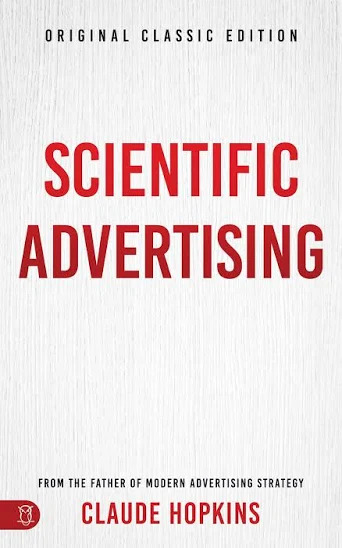
The book that started everything. Still correct after a hundred years.
Hopkins wrote this in 1923 and it reads like it was written last week. The central argument — that advertising should be measurable, testable, and rooted entirely in the customer's self-interest rather than the advertiser's ego — was radical then and is still violated daily by every brand that leads with its own story instead of the customer's.
The one idea: "Usefulness is the only justification for advertising." If your copy isn't useful to the person reading it, it isn't working. Full stop.
The most expensive secondhand book in copywriting. Worth every penny.
Secondhand copies sell for hundreds of dollars and people pay it without hesitation. Schwartz wrote the definitive framework for understanding market sophistication — how the same audience requires completely different copy at different stages of awareness. What works on a cold audience will bore a warm one.
The one idea: Stop trying to convince people to want things. Find the desire that already exists and direct it.
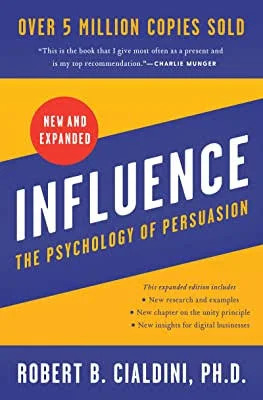
The scientific proof for everything the copywriters already knew by instinct.
Cialdini spent years studying professional persuaders — door-to-door salespeople, fundraisers, recruiters — and identified the six universal principles that govern how people say yes. This isn't theory. It's field research. If you ever want to understand why good copy works rather than just that it works, this is the book.
The one idea: Social proof is more powerful than you think and more fragile than you think. Silence is never neutral.
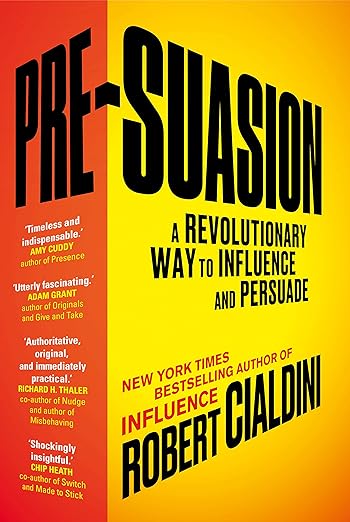
The sequel that changes how you think about everything that happens before the ask.
If Influence is about the message, Pre-Suasion is about the moment before the message. The context you create before you speak shapes how everything you say is received. What he found is unsettling and immediately applicable.
The one idea: Your first sentence is not an introduction. It's a filter. What you draw attention to first changes what people value next.
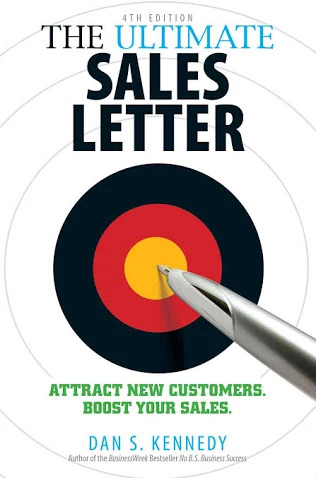
Blunt, old-fashioned, and more useful than most modern marketing books combined.
Kennedy doesn't waste words — in his books or his copy. This is a practical manual for writing direct response copy that actually makes people act. Some of the examples feel dated. The principles are timeless.
The one idea: The headline is not the beginning of your copy. It's an advertisement for the rest of your copy. Its only job is to earn the next sentence.
The most practically useful book for anyone with a website that isn't converting.
Miller took Joseph Campbell's Hero's Journey and turned it into a seven-part messaging framework any business can use. It's not a book about writing. It's a book about clarity. Most businesses are unclear about what they offer and who it's for. StoryBrand forces the clarity.
The one idea: If you confuse, you lose. Your customer should be able to land on your website and within five seconds understand exactly what you do, how it improves their life, and what to do next.
The book that explains why brilliant copy sometimes doesn't work — and what to fix first.
Dunford's argument is uncomfortable for copywriters: sometimes the copy isn't the problem. Sometimes the positioning is so wrong that no amount of good writing can save it. This book gives you a step-by-step process for finding the positioning that makes your copy not just good but inevitable.
The one idea: Customers evaluate your product against alternatives — and if you don't define what those alternatives are, they'll define them for you. Usually in ways that don't favour you.
The clearest modern guide to cutting through the noise — especially in B2B.
Stratton writes for people in industries where the temptation to use jargon is overwhelming — tech, finance, consulting. Her book is a practical toolkit for finding the human, clear, specific version of what you're trying to say and having the confidence to lead with it instead of hiding behind industry language.
The one idea: Your prospects are not confused by plain language. They are confused by jargon. Every industry term you use creates distance, not authority.
Part textbook, part memoir, entirely essential.
Ogilvy was opinionated, specific, and almost always right. This book is both a masterclass in advertising principles and a window into the mind of the person who applied them most successfully for fifty years. His fundamental belief — that the consumer is intelligent and deserves to be treated as such — is still the most radical idea in the industry.
The one idea: "Tell the truth — but make the truth fascinating." Your job is to find the fascinating truth, not to fabricate a more convenient one.
The reference manual. Every copywriter should own a copy.
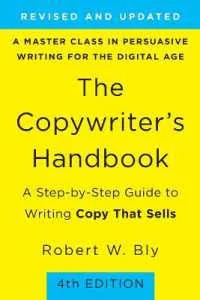
Less a book to read cover to cover and more a book to consult. Bly covers every format — sales letters, emails, ads, landing pages, white papers, social media — with specific, practical guidance for each. Where the other books give you principles, this one gives you mechanics. You need both.
The one idea: Copy is not creative writing. It is salesmanship in print. The measure of good copy is not whether it wins awards. The measure is whether it makes people act.
A note on reading these: don't just read them. Read them with a pen. The ideas that feel obvious in the moment are the ones you'll forget by Tuesday. The ones you write down and argue with are the ones that change how you work.
Start anywhere. Start with the one that makes you slightly uncomfortable. That's usually the right one.
Your move
Understanding persuasion and practising it are two different things. The gap between them is where most people stay — impressed by the frameworks, unchanged in their work.
You have the map. The only thing left is to go somewhere with it.
Or go back to the beginning. It reads differently the second time.